
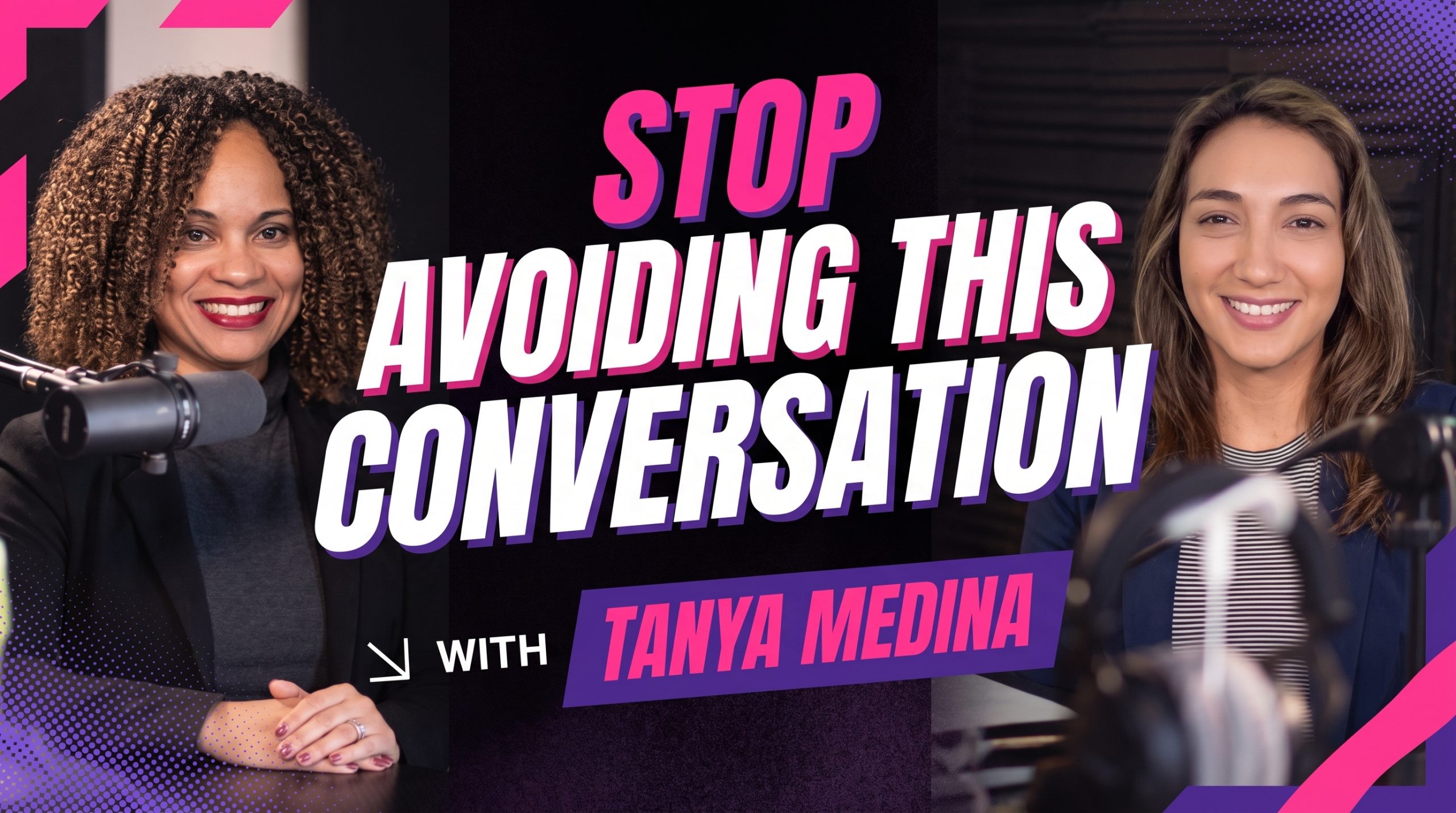
Most of what passes for a sex talk is really just a warning. Don’t do this. Don’t watch that. Don’t get yourself into trouble. It teaches kids what to fear, not what to understand, and it rarely tells them anything about what a healthy sexual life actually looks like.
In this episode, Taya and I get into what a real conversation with your kids about sex should sound like, at every age, from toddlers to teenagers. Full video is below for paid subscribers.
A few things we cover that I want to expand on here.
Correct names for body parts are not optional. Parents often choose a cute nickname for genitals thinking it softens the conversation. It does the opposite. If a child ever needs to report abuse to a teacher, a doctor, or law enforcement, a made up word can make their disclosure sound unclear or unbelievable. Using the correct term from early childhood protects your child. It also quietly signals that there is nothing shameful about their body to begin with.
Consent does not start with sex. It starts with boundaries. Long before a child understands sexuality, they can understand that their body belongs to them. Teaching a toddler that they get to decide who hugs them or touches them is the same skill they will use as a teenager to say no, or to recognize when someone else’s no matters. Parents who wait until high school to bring up consent are starting the lesson about a decade too late.
The most awkward age is also the most important one. Preteens roll their eyes. They deflect. They act like they already know everything. That reaction is exactly why this is the age that matters most. If the foundational conversations happened earlier, this stage becomes reinforcement instead of a cold start. If they did not, this is where parents often give up, and that is precisely when kids start filling the gaps with whichever source is loudest, not most accurate.
Facts and morals are two different conversations. Teaching a child about anatomy, safety, and consent is not the same as teaching them a belief system. Both can happen in a family, but conflating them teaches a child that biology itself is up for moral judgment. That confusion is where a lot of shame gets planted, and shame is one of the hardest things to undo later in a person’s sexual life.
Discomfort is not a reason to stay silent, it is information to share. If you feel awkward bringing this up with your child, say so. Naming your own discomfort out loud does more to build trust than pretending the conversation is easy. Kids respond to honesty far better than they respond to a performance of confidence.
If none of this happened for you growing up, it is not too late to start now, whether your child is five or twenty five. And if you want support having these conversations for the first time, that is exactly the kind of work I do in session.
More next week.
Erin
