
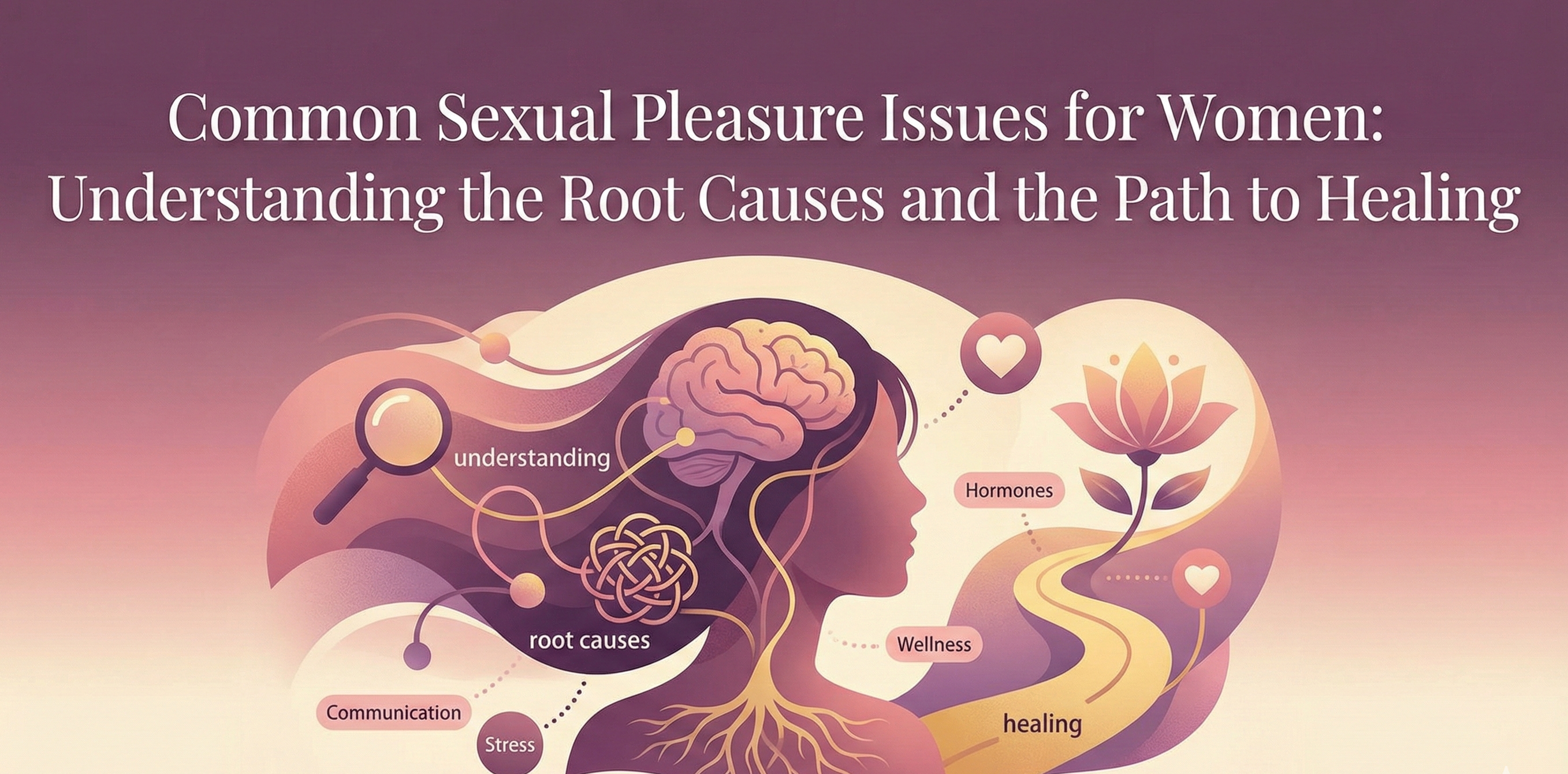
Women experience sexual pleasure through a complex combination of physical, emotional, hormonal, and relational factors. When any part of this system is disrupted, it can lead to challenges that affect desire, arousal, intimacy, or overall satisfaction. These issues are far more common than many realize, and most women struggle silently due to shame, confusion, or lack of reliable information.
Below are some of the most common sexual pleasure concerns women face, along with the professionals who can help and how a coordinated approach leads to better outcomes.
Common Sexual Pleasure Issues Among Women
Low Libido or Reduced Sexual Desire
One of the most frequently reported concerns is a decline in sexual desire. This may be linked to hormonal changes, chronic stress, relationship dissatisfaction, mental health challenges, or certain medications. Many women blame themselves, but in reality, this is often the body’s way of signaling that something deeper needs attention.
Difficulty Achieving Orgasm (Anorgasmia)
Some women struggle to reach orgasm with partners, alone, or in all contexts. This can be lifelong or develop over time. Factors may include anxiety, body image issues, trauma history, medication side effects, or insufficient stimulation.
Painful Intercourse (Dyspareunia)
Pain during or after sex can significantly diminish pleasure and impact emotional well-being. Common causes include vaginal dryness, infections, hormonal changes, endometriosis, pelvic floor tension, or unresolved trauma.
Vaginismus
This condition involves involuntary tightening of the pelvic floor muscles that makes penetration difficult or impossible. Vaginismus often has roots in fear, anxiety, or past negative sexual experiences.
Arousal Difficulties
Arousal challenges refer specifically to difficulty achieving physical signs of arousal such as lubrication or clitoral swelling. Stress, hormonal changes, and psychological barriers are common causes.
Body Image and Self-Esteem Concerns
Feeling disconnected from one’s body or uncomfortable with appearance can deeply affect sexual expression and pleasure.
Relationship Challenges
Communication problems, unresolved conflict, emotional distance, and lack of trust often manifest as sexual difficulties, even when desire exists.
Approaches to Addressing Sexual Pleasure Issues
Because sexual well-being is multifaceted, the most effective approach often involves a combination of medical, psychological, and sexual health support.
1. Medical Professionals (Gynecologists, Primary Care Doctors)
Medical specialists help identify and treat any underlying physical or hormonal contributors.
They may provide:
- Hormonal evaluations and therapies
- Adjustment of medications impacting libido or arousal
- Treatment for infections or gynecological conditions
- Referrals for pelvic floor physical therapy
- Guidance on lubricants, moisturizers, or vaginal estrogen
- Management of chronic illnesses that affect sexual health
2. Mental Health Professionals (Therapists, Psychologists)
Emotional and psychological well-being directly influence sexual pleasure.
Their support may include:
- Therapy for anxiety, depression, trauma, or stress
- CBT to shift negative thoughts around intimacy
- Mindfulness techniques to enhance presence and comfort
- Trauma-informed therapy to address deeper roots
- Strategies for managing stress and emotional overwhelm
3. Sexual Health Professionals (Certified Sex Therapists, Sexologists)
These experts offer specialized guidance in the behavioral, relational, and pleasure-focused areas of sexuality.
They often support with:
- Sex therapy for individuals or couples
- Communication skills training
- Sensate focus exercises
- Education on sexual anatomy and pleasure
- Exploration of desires, preferences, and fantasies
- Guidance for addressing relational patterns
- Referrals to sexological bodywork when appropriate
The Power of Collaborative Care
Sexual pleasure issues are rarely caused by only one factor. Effective treatment comes from collaboration between medical, mental health, and sexual health professionals.
A coordinated approach includes:
- Clear communication between providers (with the client’s consent)
- Shared understanding of medical history and psychological factors
- Joint goal setting for the client’s healing
- Cross-referrals to ensure all aspects are addressed
- Respect for each professional’s expertise
- A client-centered plan that prioritizes comfort, consent, and long-term well-being
When providers work together, women receive truly holistic care, addressing both the physical and emotional layers that shape sexual pleasure.
If You’re Experiencing Any of These Issues…
You’re not alone, and you don’t have to navigate this journey without support.
If you’re exploring solutions or want to understand what’s happening in your body and mind, we’re here to help.
Book a confidential consultation with us, and we’ll walk with you step-by-step toward greater comfort, clarity, and pleasure.
