
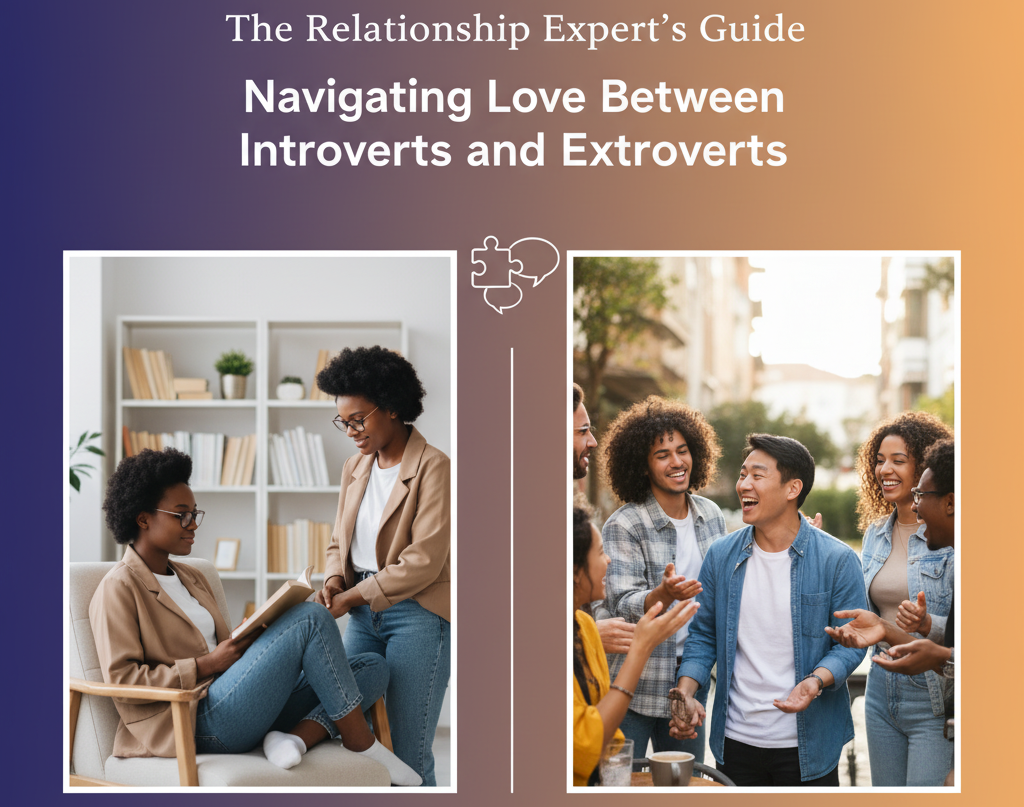
When it comes to relationships, few dynamics are as fascinating, and at times, as challenging, as the interplay between introversion and extroversion. From how partners communicate to how they recharge, these personality traits influence nearly every aspect of connection. Understanding these differences isn’t about labeling or limiting each other, it’s about learning how to honor individuality while building shared harmony.
1. Communication: Speaking Different Love Languages

Introverts tend to process information internally. They often prefer thoughtful, meaningful conversations and may take time to open up. Silence, for them, doesn’t signal disinterest—it’s reflection in progress. A partner who can listen deeplyand give them the space to articulate their thoughts will earn profound emotional intimacy.
Extroverts, by contrast, think out loud. They’re energized by exchange, quick dialogue, and lively banter. They thrive on verbal affirmation and connection in motion. When an introvert and extrovert fall in love, this contrast can be both beautiful and baffling—the extrovert may crave constant dialogue while the introvert seeks stillness.
Bridging this gap requires a blend of empathy and awareness. Partners must learn to meet in the middle—the extrovert slowing down to listen, and the introvert stepping forward to share. This is where emotional intelligence becomes more than a buzzword—it’s the bedrock of true connection.
(If you’re interested in understanding deeper emotional and relational dynamics, explore becoming a certified Sex Coach through Sexology Institute and mention Erin Alexander on your application.)
2. Social Needs: Balancing Connection and Solitude

Social energy often defines a couple’s shared rhythm.
An introvert may feel most alive after quiet evenings, deep conversation, or reading side-by-side in silence. For them, too much social exposure can lead to emotional exhaustion.
Extroverts, meanwhile, come alive through people. They gain vitality from movement, community, and shared excitement. Too much solitude may feel isolating or dull.
The healthiest relationships recognize that recharging looks different for everyone. Maybe that means alternating weekends between lively gatherings and cozy nights in. Maybe it means the extrovert goes to an event solo while the introvert enjoys solitude without guilt.
Honoring both needs prevents resentment—and often deepens respect.
3. Conflict Resolution: The Push and Pull of Processing

Here’s where the introvert-extrovert difference can truly test patience.
Introverts often need space and time to process emotions privately before discussing them. Extroverts, in contrast, prefer to resolve conflict through immediate communication.
When unaddressed, this can trigger frustration, the extrovert sees distance as avoidance, while the introvert feels pressured or misunderstood.
The key? Intentional compromise. Set boundaries for how and when discussions happen. A short “cooling-off” period followed by open dialogue allows both partners to feel safe and respected.
To strengthen emotional regulation and conflict communication, practices like somatic awareness or guided intimacy exercises can be invaluable. Couples might explore tools from experts like Kenneth Play, whose programs focus on presence, confidence, and deeper connection.
4. The Beauty of Opposites: Growth Through Difference

When understood and embraced, these differences can form a beautifully balanced bond. The extrovert brings energy, adventure, and new experiences. The introvert offers calm, reflection, and emotional depth.
One expands the world; the other deepens it.
When both partners stay curious rather than critical, the relationship becomes a place of mutual evolution. Each learns to appreciate what the other naturally embodies—and together, they create a rhythm that’s uniquely theirs.
For couples exploring this balance in their intimacy, even small tools can help build connection. For example, men seeking to enhance confidence and physical awareness might explore FirmTech’s collection, while couples looking to reignite intimacy can benefit from guided exploration sessions available through Erin’s Intimate Health Consultations.
Final Thoughts
At its core, love between introverts and extroverts isn’t about changing each other, it’s about understanding, adapting, and appreciating what each person brings to the table. The introvert teaches presence; the extrovert teaches expression. Together, they can create a relationship that thrives on both stillness and spark.
If you’re passionate about deepening your understanding of relationships and sexual well-being, consider expanding your education through Sexology Institute and mention Erin Alexander when applying. You’ll join a community that’s redefining what it means to connect authentically, in love and beyond.
